
Air-cooled plant
Rejects heat through outdoor air at the condenser. Coil condition, airflow and outdoor clearances matter.
CHILLERS & CENTRAL COOLING
Maintenance and repair support for water-cooled and air-cooled chillers and their connected systems.
Discuss this service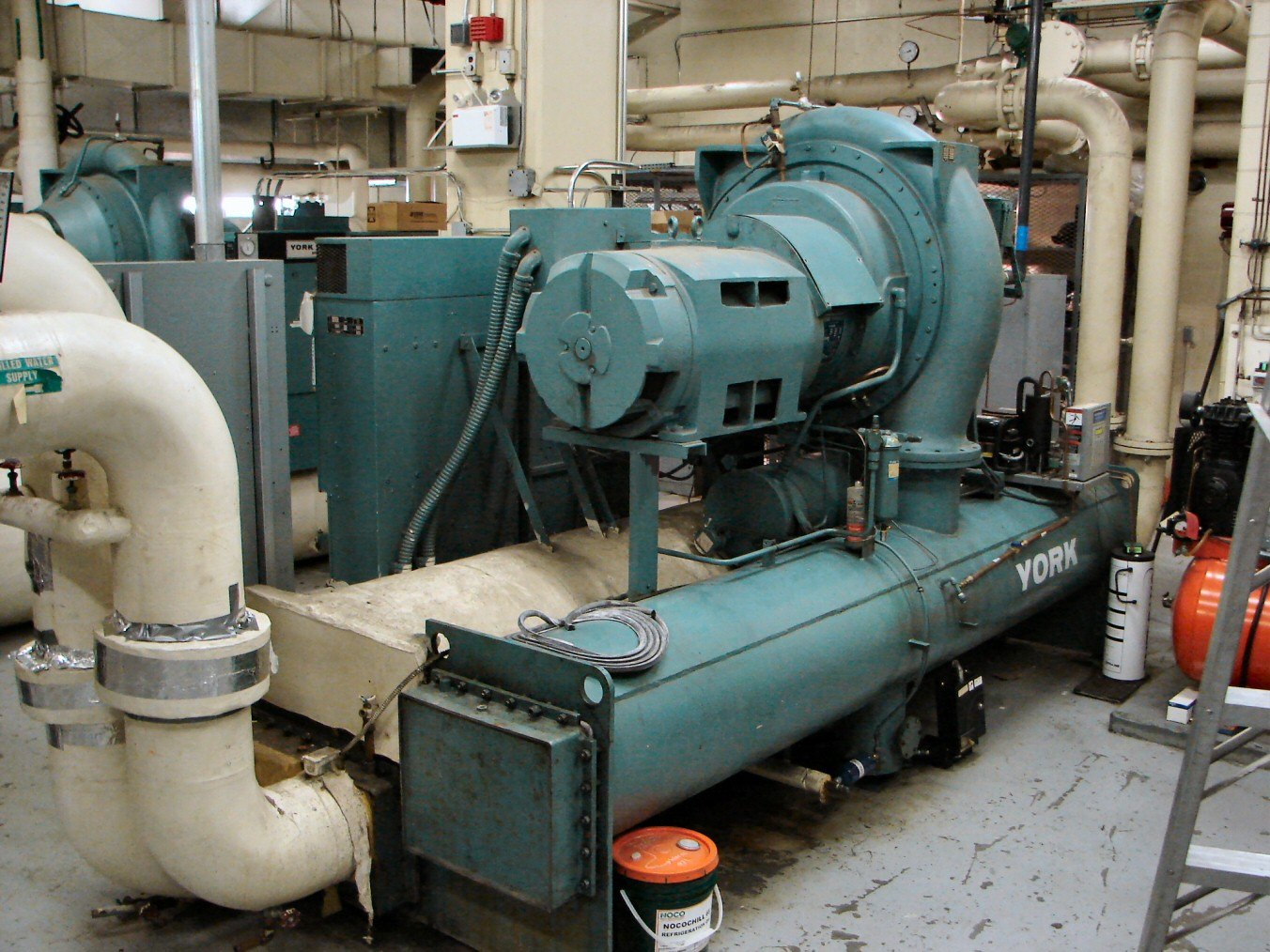
01 / UNDERSTAND THE SYSTEM
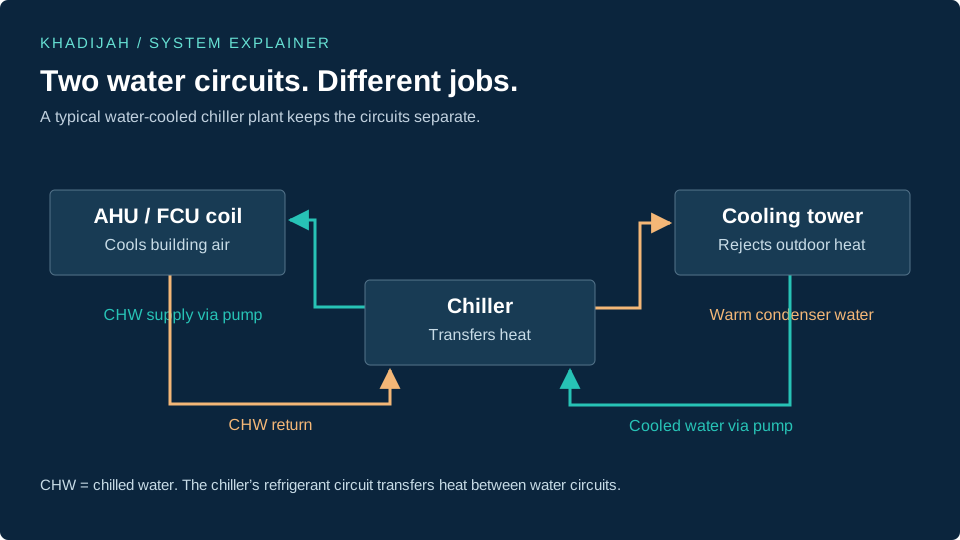
A chiller cools water that circulates to air-handling units or fan-coil units. Air-cooled and water-cooled describe how the chiller rejects heat. DX equipment cools air directly through a refrigerant coil and is covered separately.
The chiller, water circuits and air-side equipment must be understood as one connected cooling plant.
Rejects heat through outdoor air at the condenser. Coil condition, airflow and outdoor clearances matter.
Rejects heat through condenser water, typically connected to a cooling tower and its pumps.
Pumps, valves, strainers, insulation and cooling coils affect how cooling reaches the building.
VISUAL EXPLAINER
02 / SCOPE & CONDITION
| Area | What matters | Why it matters |
|---|---|---|
| Alarms or trips | Alarm history, electrical condition and operating state | Record the exact alarm and avoid assuming one component is responsible. |
| Poor building cooling | Water temperatures, flow and air-side operation | A chiller reading alone does not describe the whole system. |
| Water-side concerns | Fouling, leakage and circulation | Treatment and cleaning requirements depend on water quality and equipment guidance. |
Parts, quantities, access, shutdowns and reinstatement are confirmed against your site and equipment. Additional defects or specialist works are discussed separately.
Prepare a clearer enquiry03 / HOW THE WORK PROGRESSES
Review the arrangement, equipment data and operating history.
Identify the checks and any shutdown requirements.
Coordinate repairs, components and supporting mechanical works.
Review operating conditions and any remaining recommendations.
04 / COMMON QUESTIONS
A chiller supplies chilled water to cooling coils. A direct-expansion (DX) system uses refrigerant at the air-cooling coil. Both rely on refrigeration, but distribute cooling differently.
DX means direct expansion at the air-cooling coil. Water-cooled describes how a chiller rejects heat. They describe different aspects of an HVAC system.
No. Air-cooled chillers reject heat directly to outdoor air and do not use a cooling tower for that purpose.
KEEP EXPLORING
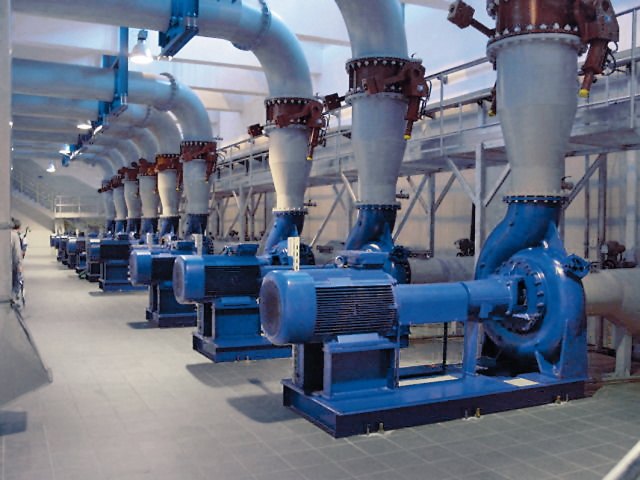
Mechanical and electrical support for chilled-water and condenser-water pumps and associated motors.
Explore service +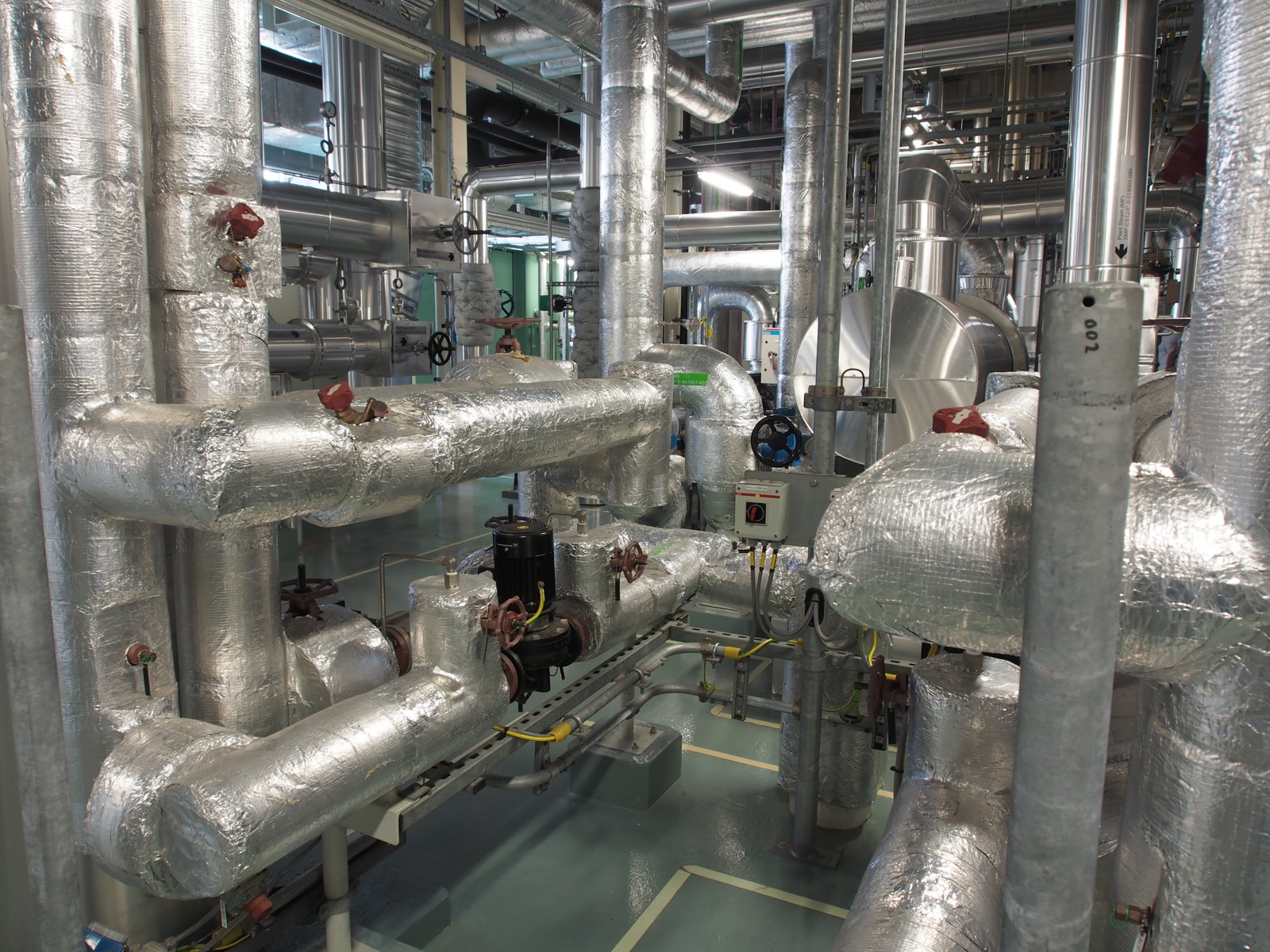
Pipework repairs, valves and insulation for reliable chilled-water and condenser-water distribution.
Explore service +
Servicing and repair for chilled-water and direct-expansion air-handling and fan-coil equipment.
Explore service +LET’S FIND THE RIGHT SOLUTION
Servicing, repairs, installations or a new project.