01 / THE BIG PICTURE
Start with the essentials.
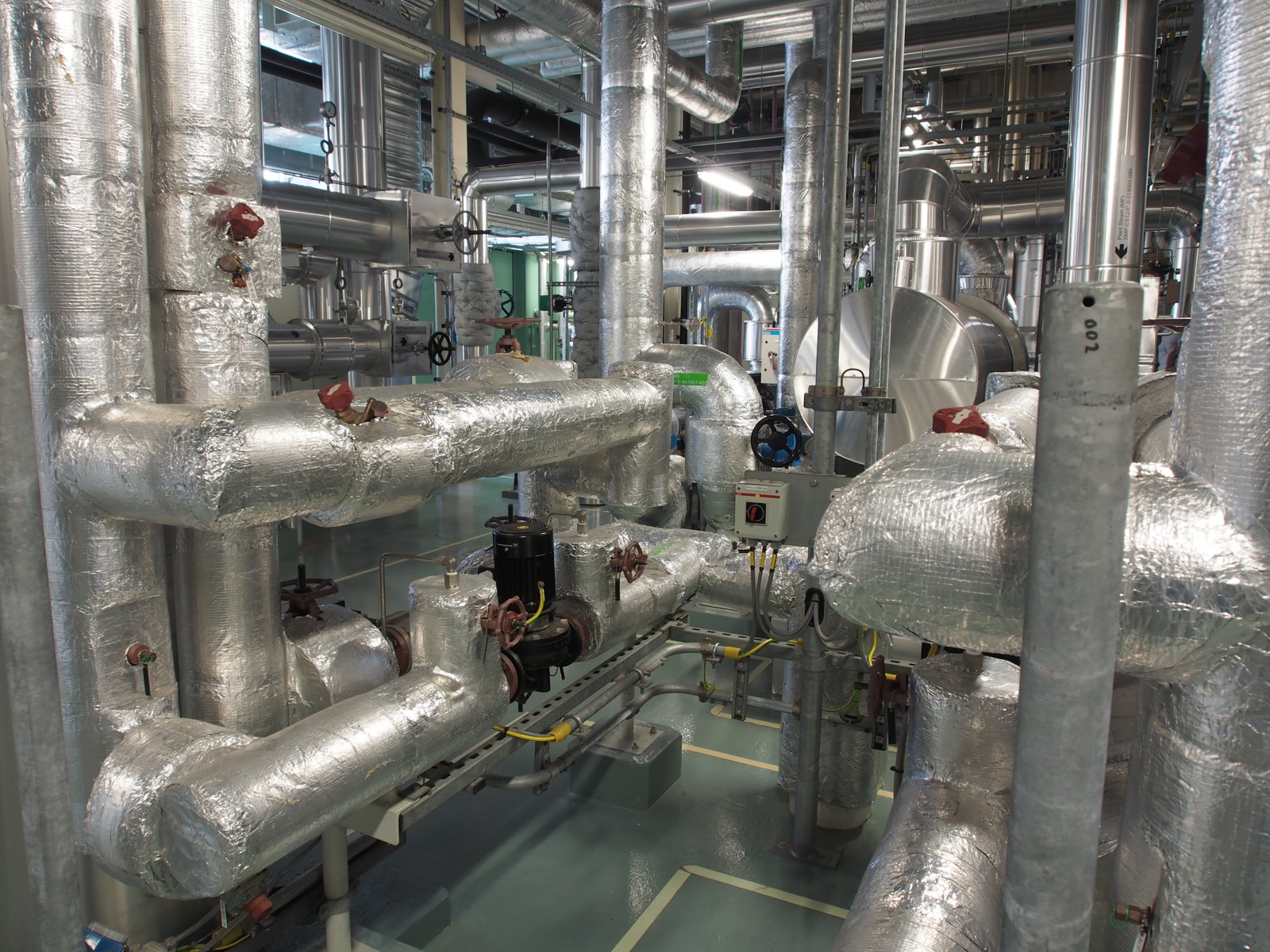
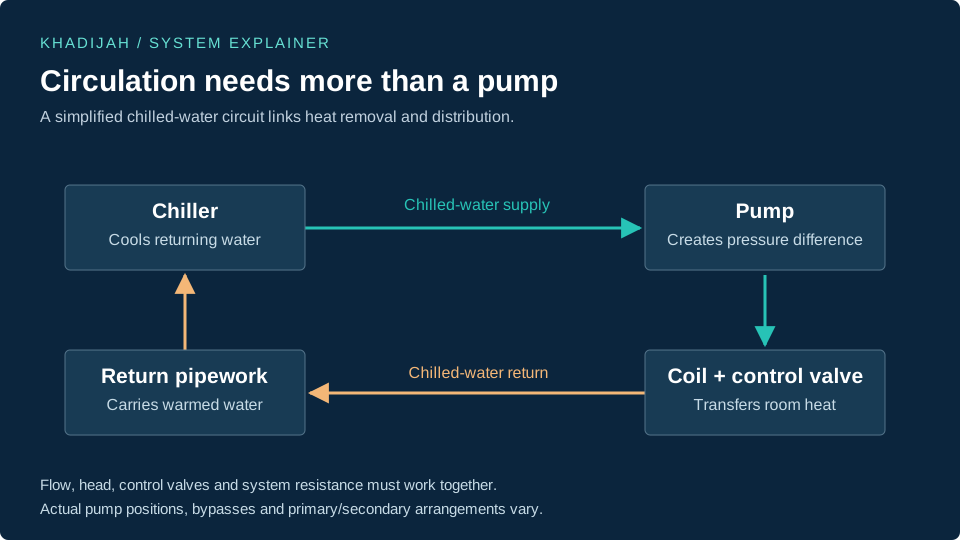
Water distribution depends on a connected network: pumps create the pressure difference needed for flow, pipes carry water, valves regulate or isolate it and insulation protects cold surfaces.
02 / STEP BY STEP
How the system works.
- 01
Create circulation
The pump adds energy to the water to overcome system resistance.
- 02
Distribute the flow
Pipe sizes, branches and fittings form the routes to and from equipment.
- 03
Regulate and isolate
Control, balancing and isolation valves each serve different purposes.
- 04
Protect cold surfaces
Insulation and a continuous vapour barrier help control heat gain and surface condensation.
03 / LOOK A LITTLE CLOSER
The details that matter.
Noise is a starting point, not a diagnosis
Bearings, alignment, mounting, flow conditions and other factors can cause noise or vibration. A repair should address the confirmed cause.
Different valves have different roles
An isolation valve allows a section to be shut off. A balancing valve helps establish or verify flow. A control valve responds to the control system. They are not interchangeable by appearance alone.
Insulation must stay dry
Moisture can enter damaged insulation or through gaps in vapour protection. Covering wet insulation may conceal the problem. Cladding reinstatement should be considered with the insulation system.
04 / AT A GLANCE
Keep these distinctions clear.
| Task | Information needed | Common mistake to avoid |
|---|---|---|
| Bearing identification | Existing markings or exact equipment documentation | Do not select from motor power alone. |
| Valve replacement | Size, pressure rating, duty and connection dimensions | Outside insulation diameter is not nominal pipe size. |
| Leak repair | Actual leakage point and joint type | Plan isolation, draining, sealing and reinstatement. |
| Insulation repair | Condition beneath the outer covering | Restore vapour protection as well as appearance. |
THE KEY TAKEAWAY
When planning a repair, include the work needed to reach the component and restore the surrounding insulation, joints and access arrangements.
05 / COMMON QUESTIONS
Good questions to ask.
Does a higher-powered motor always improve flow?
No. Pump selection depends on the required flow and head, pump characteristics and system resistance.
Can all valves be left fully open?
Valve positions depend on their role and the system design. Changes should not be made without understanding the circuit.
This guide explains typical arrangements. Equipment selection, technical settings and repair procedures must follow the actual system design and manufacturer’s instructions.