01 / THE BIG PICTURE
Start with the essentials.
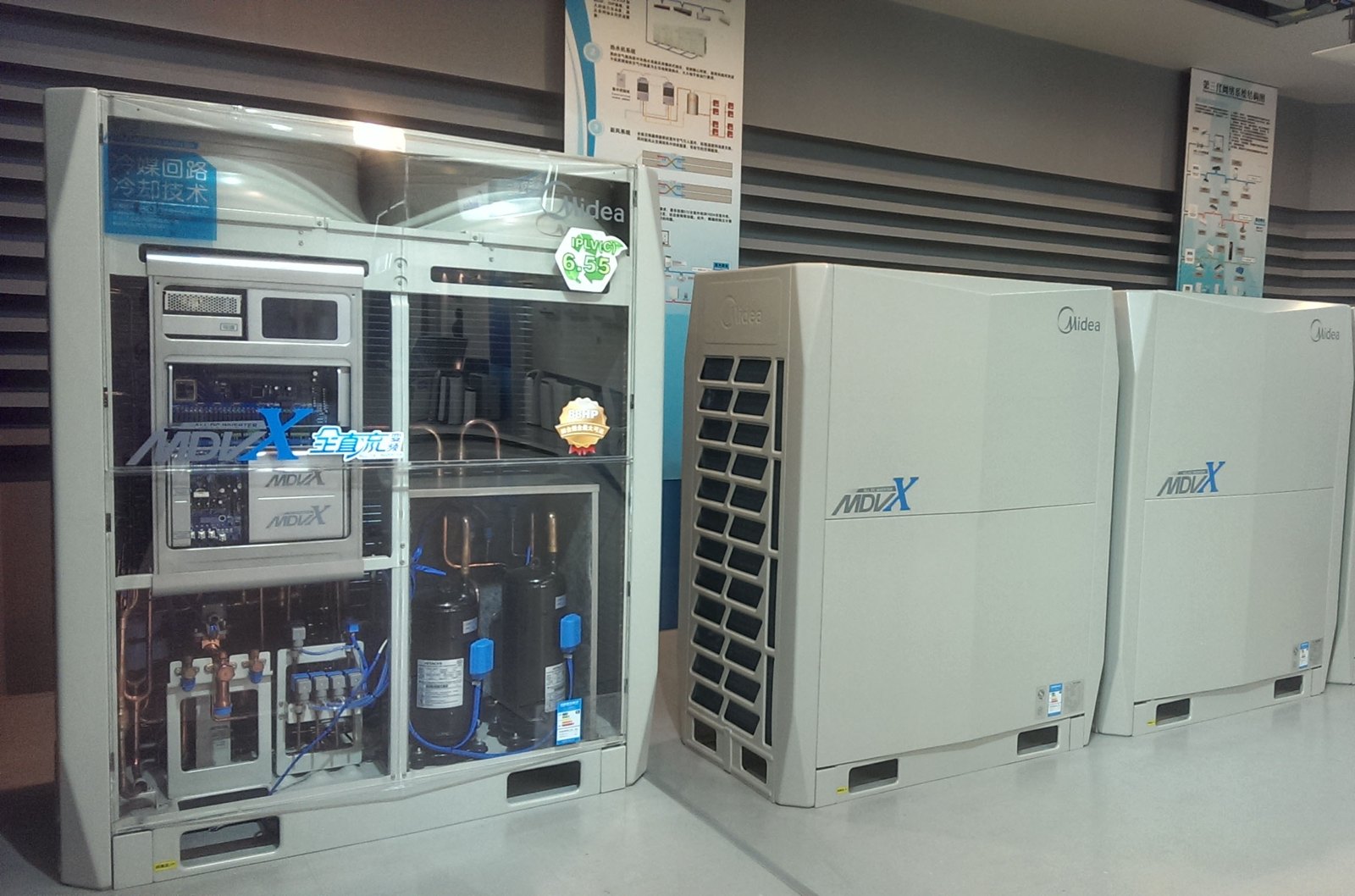
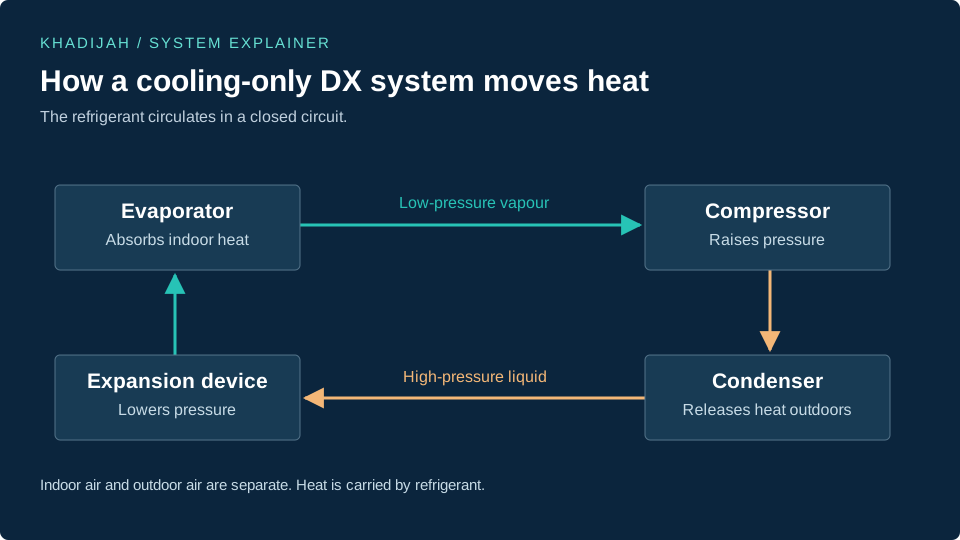
An air conditioner moves heat out of a space. In cooling mode, the indoor coil absorbs heat and the outdoor equipment releases it. Refrigerant carries heat between the two sides through a closed circuit.
02 / STEP BY STEP
How the system works.
- 01
Indoor heat is absorbed
Air passes over the indoor evaporator coil. Refrigerant absorbs heat; moisture can condense on the cold coil and drain away.
- 02
The compressor raises pressure
The compressor moves refrigerant through the circuit and raises its pressure and temperature.
- 03
Heat is rejected outside
At the condenser, heat passes from the refrigerant to outdoor air. The refrigerant condenses into liquid.
- 04
Pressure is reduced
An expansion device reduces the refrigerant pressure before it returns to the evaporator. The cycle repeats.
03 / LOOK A LITTLE CLOSER
The details that matter.
Three paths to keep separate
The refrigerant circuit transfers heat. The fan circulates air through the room. The drain pipe carries condensate away. A problem in one path can look like a general cooling fault.
Why the outdoor position matters
The outdoor coil needs airflow and the manufacturer’s required clearances. Obstructions, contamination and poor positioning can affect heat rejection and service access.
What a homeowner can record
Note the setpoint, whether the fan is running, any displayed error and when the problem appears. A photo of the model label helps identify the equipment before a visit.
04 / AT A GLANCE
Keep these distinctions clear.
| Indoor format | Typical arrangement | What to plan |
|---|---|---|
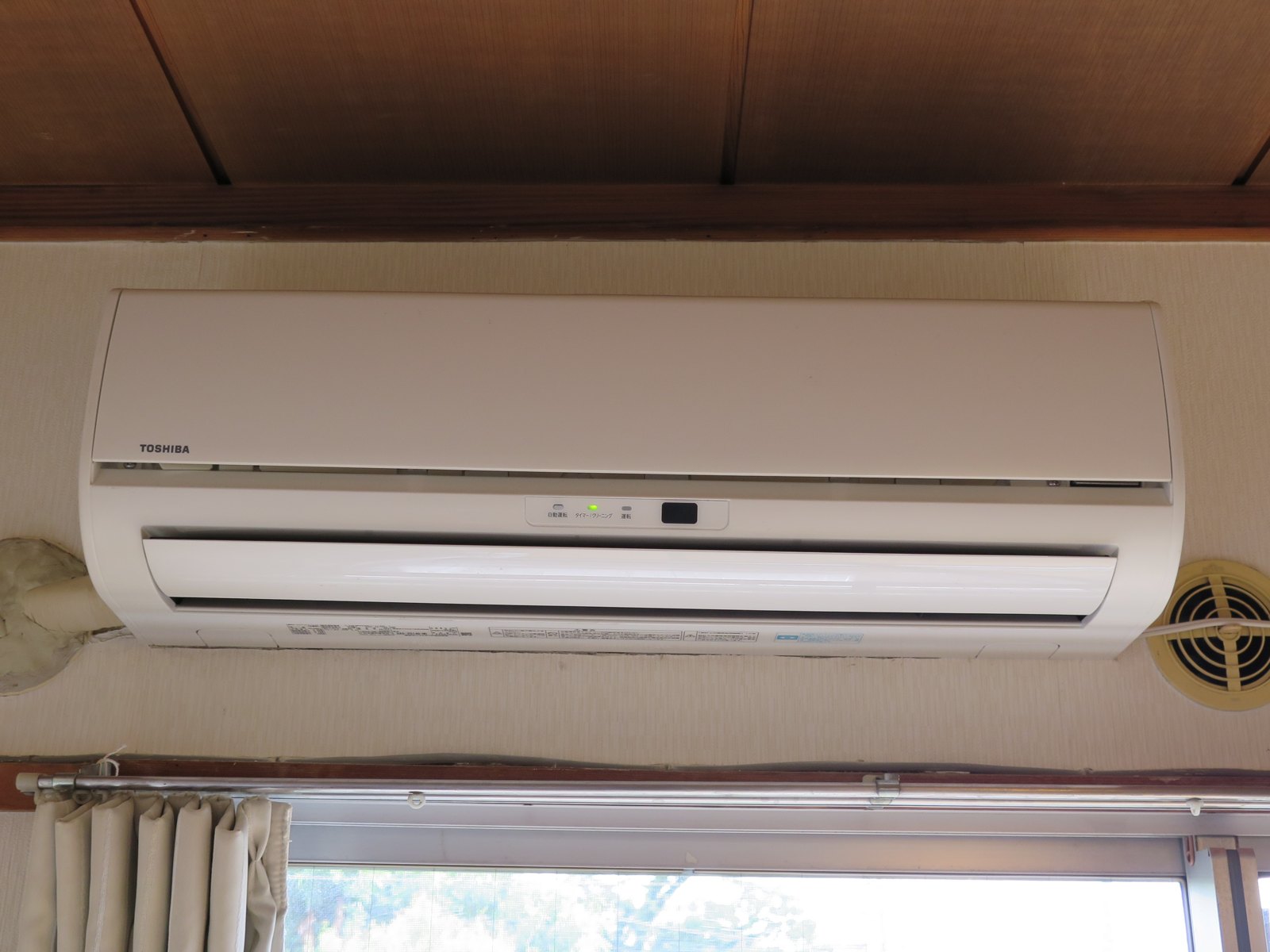
| Wall-mounted | Visible indoor unit on a wall | Room airflow, access to filters and drainage route. |
| Cassette | Unit recessed in a ceiling | Ceiling depth, condensate arrangement and service opening. |
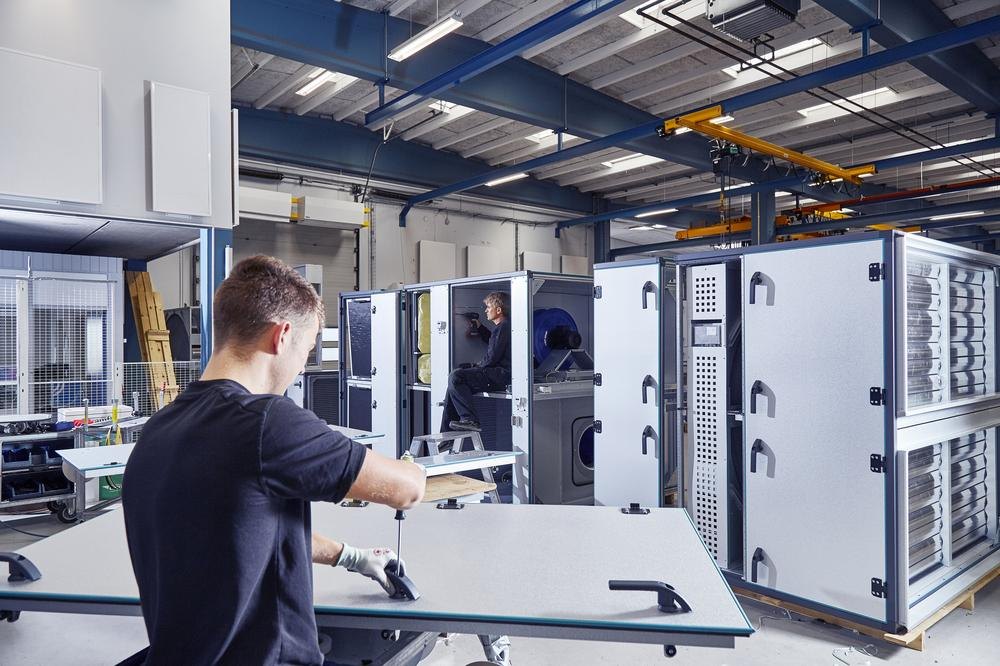
| Ducted | Concealed unit connected to ducts | Duct resistance, grilles, access panels and fan duty. |
THE KEY TAKEAWAY
A cooler thermostat setting does not repair a dirty coil, blocked drain or refrigerant fault. Describe the symptom so the cause can be checked.
05 / COMMON QUESTIONS
Good questions to ask.
Does a normal split unit ventilate the room?
Many wall split systems recirculate room air. Fresh-air supply needs a separate or specifically designed provision.
Is water from the outdoor drain pipe normal?
Condensate draining from the indoor unit while cooling can be normal. Water leaking inside the room or onto unsuitable surfaces needs attention.
Further reading
ENERGY STAR: maintenance checklistThis guide explains typical arrangements. Equipment selection, technical settings and repair procedures must follow the actual system design and manufacturer’s instructions.