01 / THE BIG PICTURE
Start with the essentials.
Useful maintenance starts with knowing what is normal for the equipment. Changes in sound, airflow, cooling, drainage or alarms provide clues, but they do not establish a diagnosis on their own.
02 / STEP BY STEP
A practical sequence.
- 01
Observe the change
Describe what is different, which units are affected and when the symptom appears.
- 02
Record the details
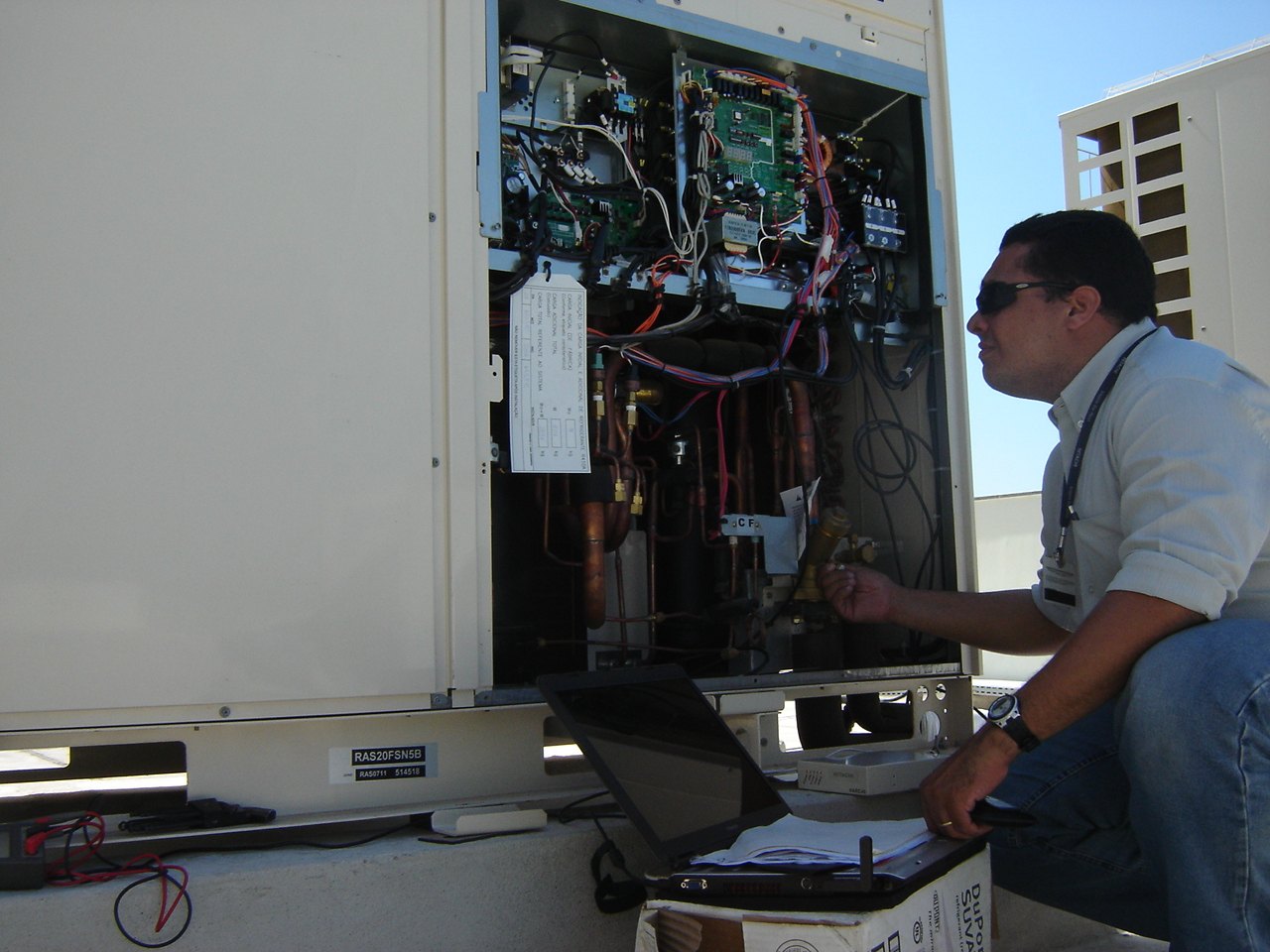
Photograph the model label and alarm display; note recent servicing or repairs.
- 03
Arrange the right visit
Explain whether you need routine servicing or investigation of a specific fault.
- 04
Keep the findings
Retain observations and recommendations to support the next maintenance decision.
03 / LOOK A LITTLE CLOSER
The details that matter.
Routine care versus fault repair
Cleaning filters, coils and drainage components supports normal operation. Failed motors, refrigerant leaks and electrical faults usually need a separate corrective scope.
Build a schedule around actual use
Operating hours, environment, occupancy and manufacturer requirements affect maintenance needs. A single interval will not suit every unit in every building.
Describe conditions, not guesses
“Water appears after one hour” is more useful than “the gas is finished”. Clear observations let the technician test possible causes without relying on an assumed diagnosis.
04 / AT A GLANCE
Keep these distinctions clear.
| What you notice | What to record | What may need assessment |
|---|---|---|
| Weak cooling | Which rooms, how long and whether airflow changed | Airflow, controls, load or refrigeration conditions. |
| Water leakage | Exact location and when it occurs | Drain pan, drain route, pump, insulation or coil conditions. |
| Noise / vibration | Start-up or continuous; indoor or outdoor | Fan, motor, mounting or other mechanical conditions. |
| Repeated alarm | Exact code, timing and affected equipment | Equipment-specific checks and operating history. |
THE KEY TAKEAWAY
If you notice smoke, a burning smell or exposed electrical damage, stop using the equipment and seek qualified assistance. Do not open live electrical panels.
05 / COMMON QUESTIONS
Good questions to ask.
Should I keep resetting an alarm?
Repeated resets do not correct the underlying fault and can erase useful context. Record the code and arrange assessment.
Does every service include refrigerant charging?
No. Charging should follow a confirmed need and the appropriate equipment procedure; it is not an automatic routine step.
Further reading
ENERGY STAR: maintenance checklistThis guide explains typical arrangements. Equipment selection, technical settings and repair procedures must follow the actual system design and manufacturer’s instructions.