01 / THE BIG PICTURE
Start with the essentials.
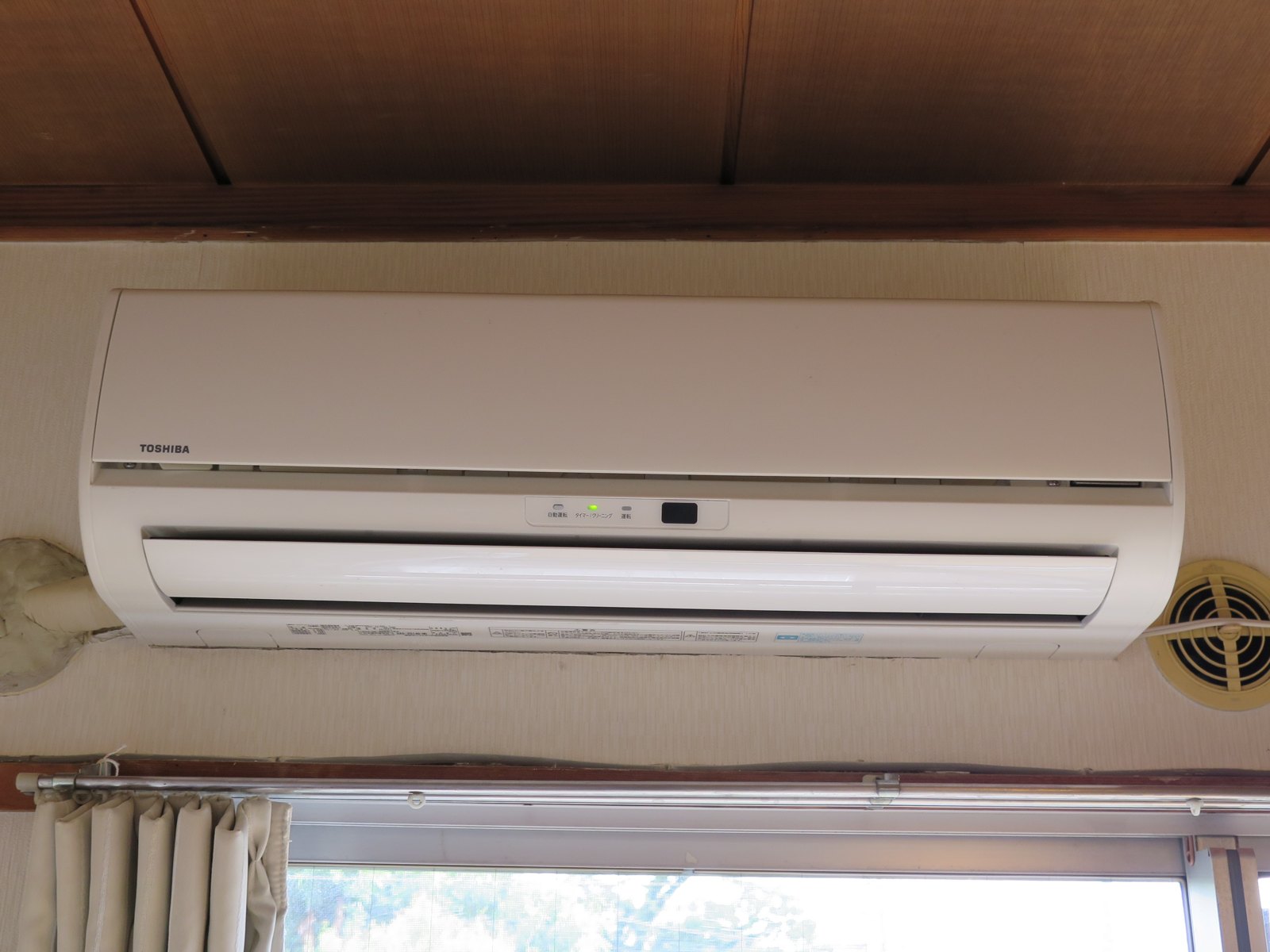
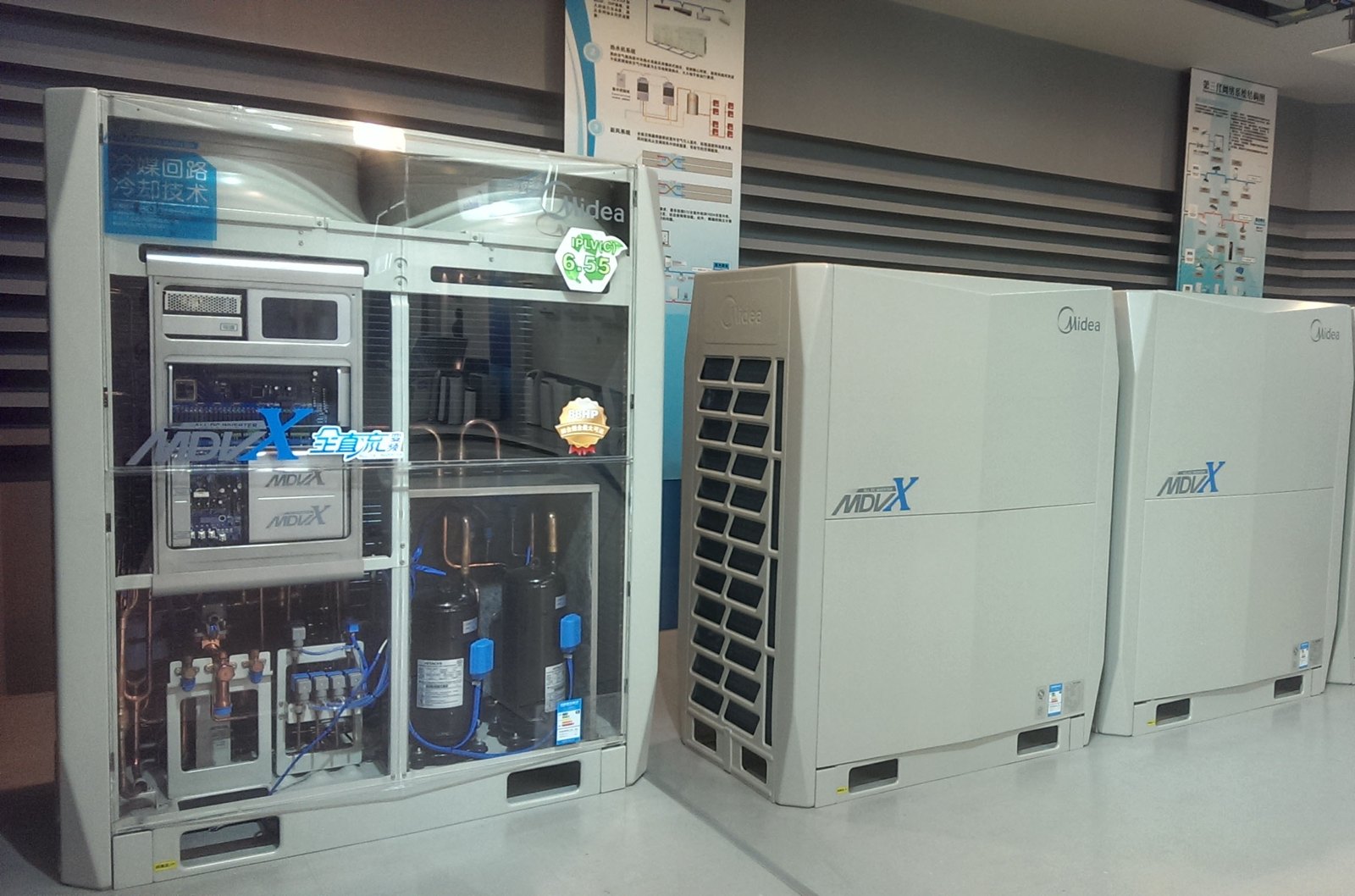
Cooling manages heat; ventilation exchanges air. A complete building approach considers occupancy, moisture, odours, outdoor-air treatment and where extracted air is replaced.
02 / STEP BY STEP
How the system works.
- 01
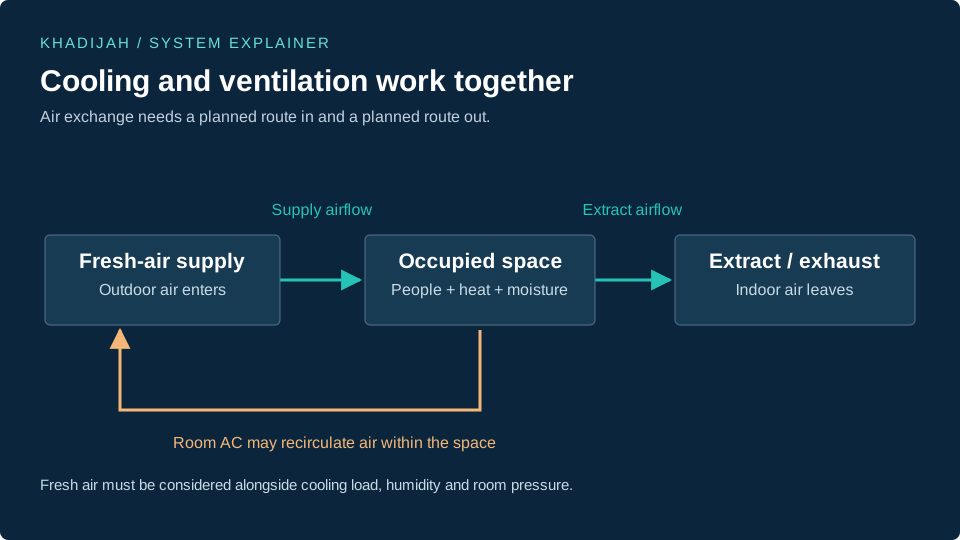
Plan an air inlet
Outdoor air must enter through an appropriate opening or supply system.
- 02
Move air through the space
Supply and extract locations should support the room’s actual use.
- 03
Remove air where needed
Extract systems remove air from selected areas through a suitable discharge route.
- 04
Balance the whole arrangement
Replacement air, room pressure, cooling load and humidity must be considered together.
03 / LOOK A LITTLE CLOSER
The details that matter.
Exhaust needs replacement air
If a fan removes air, replacement air must come from somewhere. An inadequate path can affect fan performance, doors and pressure relationships.
Outdoor air brings moisture and heat
In a humid climate, fresh-air treatment can add to the cooling and dehumidification requirement. More outdoor air is not simply “free cooling”.
Ducts affect the fan duty
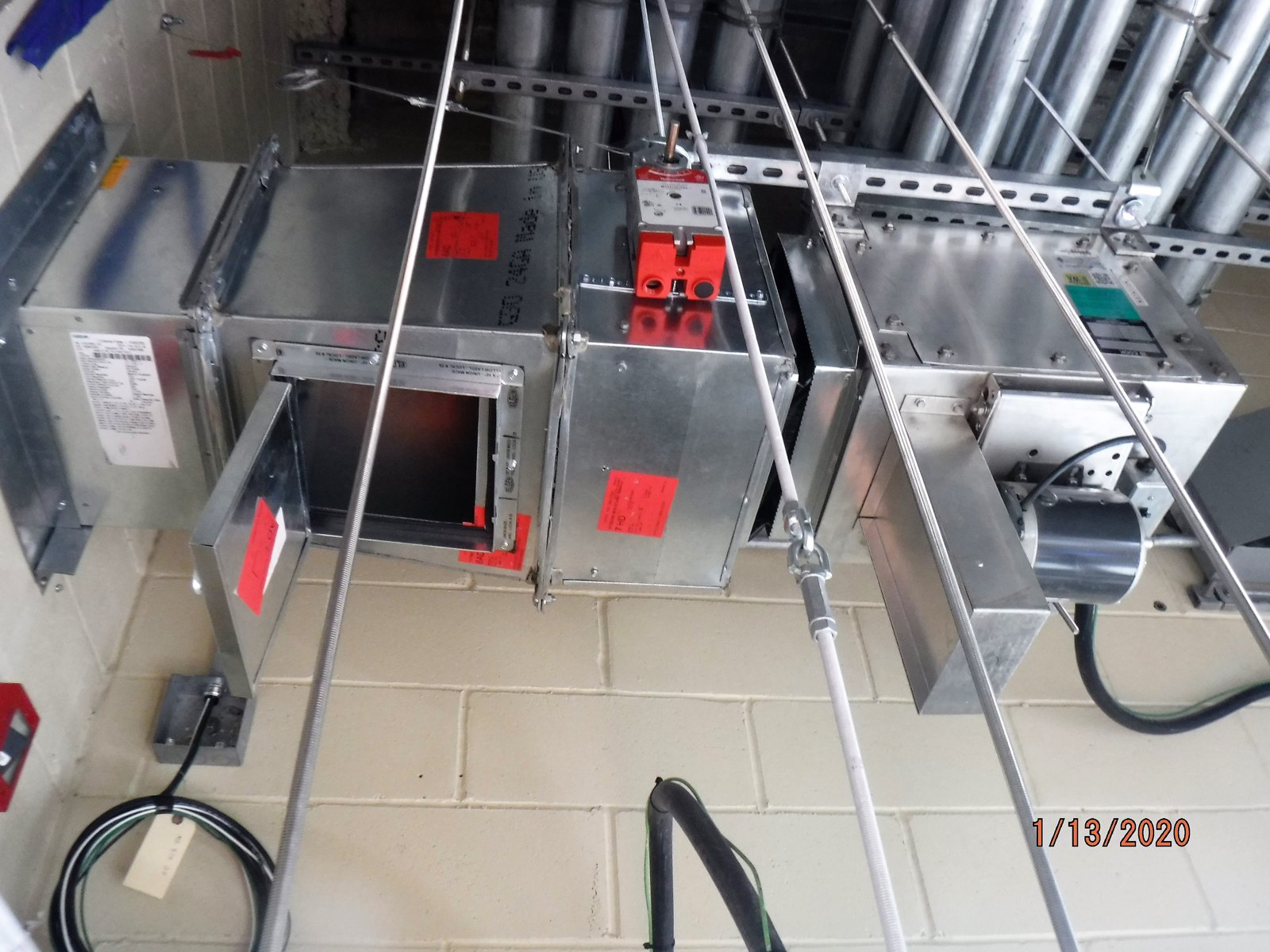
Length, size, bends, filters and grilles contribute resistance. Fan selection should consider the required airflow at the relevant pressure, not only the motor power.
04 / AT A GLANCE
Keep these distinctions clear.
| Function | What it does | What to remember |
|---|---|---|
| Air conditioning | Removes heat and may remove moisture | Does not automatically supply sufficient outdoor air. |
| Fresh-air ventilation | Introduces outdoor air | Needs suitable treatment, routing and quantity. |
| Extract ventilation | Removes indoor air | Needs a considered replacement-air path. |
| Filtration | Captures selected particles | Does not replace ventilation or remove every pollutant. |
THE KEY TAKEAWAY
A cold room is not proof of adequate ventilation. Assess airflow and occupancy needs separately from the thermostat setting.
05 / COMMON QUESTIONS
Good questions to ask.
Can I add an exhaust fan without a supply fan?
Some spaces use passive replacement air, but the opening, route and pressure effects still need assessment.
Why can ductwork become wet?
Condensation can form where a surface is below the surrounding air’s dew point. Insulation, vapour control and air conditions should be assessed.
Further reading
Daikin: ventilationThis guide explains typical arrangements. Equipment selection, technical settings and repair procedures must follow the actual system design and manufacturer’s instructions.